



TYPE: • Culture • Multi-purpose centre HISTORICAL USE: • Richard Ginori factories LEGAL STATUS: • Private property BUILDING RESTORATION 1996 - 1999• Studio Milano Layout BUILDING RESTORATION 2002 - n.d.• Luca Clavarino |
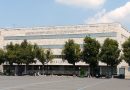
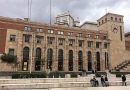
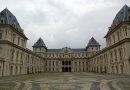
The former Richard Ginori complex occupies a large block between via Ludovico il Moro and via Morimondo. The original building, an 18th-century suburban villa, was bought in 1809 and transformed into an industrial plant, which used the water from the Naviglio as its power source. In 1830, the factory was adjusted to the production of pottery, which was started by Gindrad e Billet. After a long period of busy operation, the factory was abandoned in 1986 because of deep economic changes in the metropolitan system.
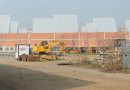
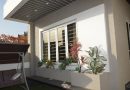
In 1996-98, the corner section of former Richard Ginori between via Ludovico il Moro and via Morimondo was affected by a conservative development designed by Studio Milano Layout, which has transformed the area formerly occupied by the factory into a series of articulated areas, which clearly show their industrial origin, overlooking small internal gardens. This undertaking has triggered a spontaneous settlement process by fashion and design operators in and around this area: Strenesse, Momo Design, Della Rovere, la Fornarina, MDF, in addition to professional offices, advertising agencies, photographic studios. Like the transformation of large former industrial complexes in the Savona-Solari district, the future of former Richard Ginori was set in 2002 with the Cajrati Crivelli group’s operation: a highly complex project was started that involved over 60,000 square meters of the abandoned area and whose purpose it was to turn it into a new stronghold of creativity, fashion, design, advertising and art, by establishing new synergies through the settlement of businesses with strong integration opportunities. (www.turismo.comune.milano.it)
The Richard Ginori complex is extraordinarily fit for the purpose established in the Cajrati-Crivelli program. The diverse individual buildings will make it possible to achieve an aesthetic articulation that will certainly be appreciated by those who do not love homologation. The features of the revitalization of this complex, however, that have caught the attention of the creative world and pushed up their expectations are the large volumes and the opportunity evryone has to reinterpret their interiors.
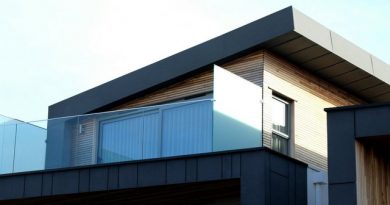
The architectural project, designed by Luca Clavarino with the help of Studio Milano Layout, covers the recovery of all buildings, according to the environmental protection restrictions linked to the nearby Naviglio; the valorization of the most beautiful facades; large, interconnecting green areas that create a new urban dimension; the replacement of the surrounding walls with fences in order to open new views onto the town; a covered gallery by the square on via Morimondo; the arrangement of flat coverings with hanging gardens; surface parking areas and an underground parking lot along the Naviglio. (www.turismo.comune.milano.it)
How to get there: Overground lines: 47-14-59-9-29-30-74-2; MM2 (Sant'Agostino)
Modern architecture in the surrounding areas: Savona 97 (Cajrati Crivelli; Studio Sottsass); Forcella 5 Spazio Zegna-Esprit (Antonio Citterio); Magna Pars Congress Center (Luciano Colombo); Superstudio Più Giorgio Longoni; Marco Sironi) and Dada Cafè; Emporio 31 (outlet del design)
Sources: |