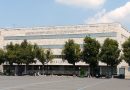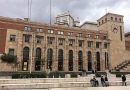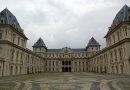





Aware of the enhancement of regional heritage and competences, La Triennale di Milano and in conjunction with Lombardy Region and the other regions supporting the project, Emilia Romagna, Liguria and Piedmont, have proposed a new alternative or complementary tourism possibility to the traditional one. This landmark of architecture, design, art, fashion, new media, and CLAC has started a process of enhancing the modern architectural heritage of the regions.
Everyone admits that Italy's extraordinary artistic and cultural heritage is the richest and most interesting, due not only to the quantity of the works found in the country, but also to their quality and value. This exceptional value, handed down to us by the genius of past centuries, often overshadows contemporary opulence and heritage, often unfairly insufficiently remembered and enhanced.
With specific focus on architectonic heritage, the ITER project aims to start a process of enhancing modern architecture – where the word “modern” means sites from the beginning of the 20th century to today - often inadequately enhanced. The quality and interest of modern architectural heritage found in the four regions supporting the project, have stimulated the desire to bring out the historical and tourism value of this wealth. This is to be done by developing a supply in line with the biggest trends in Europe and the world of so-called “cultural tourism” meant to satisfy the requirements of an ever growing number of tourists.
The project is consistent with what is happening in other countries. The great themes of contemporary architecture such as fluidity and mobility are found in the projects of international architects, such as Renzo Piano, Mario Botta, Tadao Ando, just to name a few. They take their culture and experience, style and research to places with different history, culture and geographic conformation in projects capable of leaving tangible signs interacting with what was there before.
It is a variegated heritage in which exemplary architectural projects of the 20th century co-exist (think of Gio Ponti and Giuseppe Terragni) with recently realised architecture yet to become a part of history, works of young designers who have set themselves apart in national and international contests.
The types, historical moments, commissions, variety of sites and ways of intervention, ranging from building from scratch to renovation to remodelling is perfectly coherent with a century which, due to the rapidity with which events followed each other and thought was developed, has been called “the short century”.
The intention of this project is to propose some thematic routes tying various architectural sites and providing original keys of interpretation and new ways of perception, discovering or rediscovering individual elements of a “widespread” heritage in the country, without wanting to cancel their peculiarities but adopting an altogether broader vision.
Research work and identification of architecture have been an important occasion for examining knowledge of the architectonic heritage of the 20th century, but above all of offering a valid instrument capable of combining the tradition of new ways of young, dynamic and intellectually stimulating tourism.
Milan's European Institute of Design has been put in charge of developing the graphics and promotion of the whole operation and has proposed different graphics as a theme for graduation theses. It was decided to pick what most respects the spirit and character of the whole project. It comprises the elements of the network and courses, all to create an anthropomorphic image which seems to develop through an outline of the routes, like an identity which results from the connection of several knots, each representing a specific social and cultural cross-section.
Andrea Cancellato
General Manager La Triennale di Milano
|
|